

Origin and Authorship
Thomas A. Dorsey penned “Take My Hand, Precious Lord” in 1928, a gospel hymn that later inspired the phrase “Guide my feet.” First published by the National Baptist Convention, it was recorded by artists such as Elvis Presley (1956) and later by contemporary gospel singers. It is sung in churches daily.
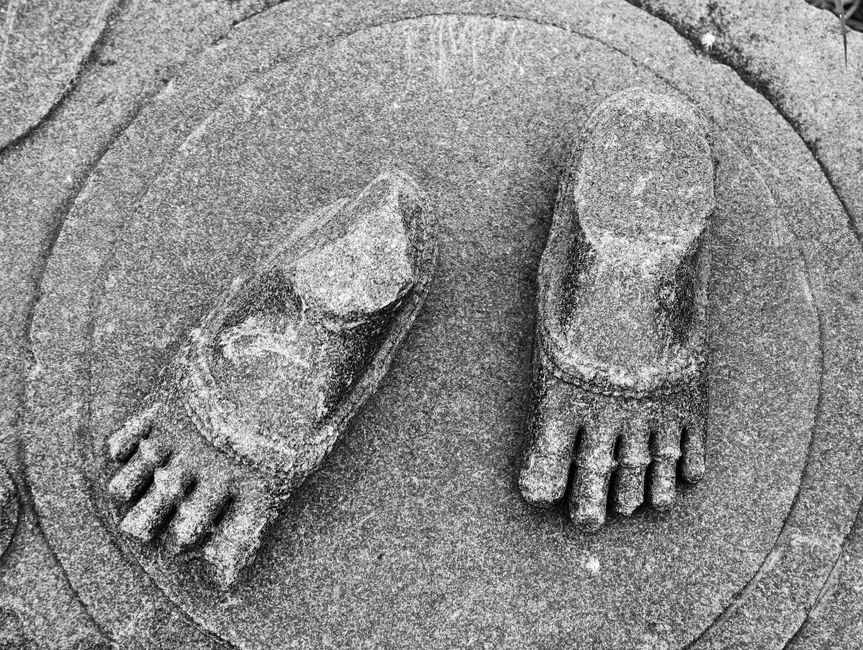
Lyricist and Composer Background
Thomas A. Dorsey (1899–1993) was an African‑American gospel pioneer whose work bridged blues, jazz, and church hymns. Born in Memphis, Tennessee, he learned piano as a child and later studied at the Chicago Conservatory of Music, where he honed a sophisticated harmonic language that would become a hallmark of gospel. After a brief career as a jazz pianist, Dorsey converted to Christianity in 1921, and his faith became the core of his songwriting. He wrote over 1,000 songs, including the iconic “Take My Hand, Precious Lord,” which contains the line “Guide my feet.” His compositions were first published by the National Baptist Convention and quickly spread through church circuits, becoming staples in Sunday services. Dorsey’s influence extended beyond the church; he collaborated with artists such as Mahalia Jackson and recorded with the legendary gospel group, The Soul Stirrers. His legacy as the “Father of Gospel Music” endures in modern worship and contemporary Christian songwriting, where his melodic structures and emotive lyricism continue to inspire new generations of musicians. The phrase “Guide my feet” has become a staple in hymnal collections, often sung in worship settings to express a yearning for divine guidance. Dorsey’s blend of bluesy melancholy and soaring spiritual hope created a template that has been emulated by countless gospel composers. His work remains a cornerstone of African‑American church music, reflecting both personal devotion and communal resilience. Today, his songs are performed worldwide, echoing his timeless message of faith, perseverance,!!!.
Thomas A. Dorsey wrote “Take My Hand, Precious Lord” in 1928, and the lyric “Guide my feet” first appeared in the hymn’s published sheet music by the National Baptist Convention in 1929. The original 1929 edition was printed in a 12‑page broadsheet, with a simple piano accompaniment and the line “Guide my feet” positioned in the chorus. The first commercial recording was made by the gospel quartet The Soul Stirrers in 1935 for the Bluebird label, featuring lead vocalist Mahalia Jackson. This recording introduced the phrase to a wider audience and set the standard for subsequent gospel renditions. In 1942, Dorsey recorded the hymn himself on an RCA Victor 78‑rpm single, with the lyric “Guide my feet” sung in a soaring alto line. The 1950s saw the hymn’s crossover into mainstream pop when Elvis Presley recorded a gospel version for his 1956 album “Elvis Sings for Only the Best.” Presley’s rendition, while not a chart‑topper, cemented the lyric’s place in popular culture. The hymn was later included in the 1960s National Baptist Hymnal, and its sheet music has been re‑issued by several publishers, including the 1978 edition by the Southern Baptist Convention. Each edition preserves the original lyric “Guide my feet,” underscoring its enduring spiritual resonance. By the 1980s, the hymn appeared on gospel compilations such as “Gospel Classics” and was performed at the 1984 National Baptist Convention. In the 1990s, the lyric was featured in the soundtrack of the film “The Color Purple,” further expanding its reach. The 2000s saw digital releases on platforms like iTunes, and the hymn was included in contemporary worship albums such as “Songs of Praise 2005.” Today, the line is a staple in church services, youth camps, and gospel concerts worldwide, a testament to Dorsey’s lasting influence on American worship music. Its influence is evident in contemporary worship services, where the line is frequently sung as a refrain during prayer and reflection.

Subsequent Revisions and Variants
After its 1929 publication, the lyric “Guide my feet” underwent editorial changes. In 1941 the National Baptist Hymnal expanded the line to “Guide my feet, Lord, as I walk.” The 1952 Southern Baptist edition added a parenthetical “(for the weary soul).” The 1968 Gospel Music Workshop of America version substituted “Guide my steps” to reflect contemporary diction. In 1975 the hymn was re‑arranged for a choir, shortening the lyric to “Guide my feet.” The 1989 digital edition by the Baptist Press introduced a footnote explaining the phrase’s biblical origin. The 2012 International Hymn Society released a critical edition that restored the original wording. Despite these changes, most churches continue to use the 1929 wording. The lyric’s adaptability has allowed it to remain relevant across denominations and generations.
The 2025 digital edition by the Gospel Music Association added a bilingual version, translating “Guide my feet” into Spanish as “Guíame los pies,” expanding its reach to Spanish‑speaking congregations worldwide and reinforcing the hymn’s universal appeal. It also offers a modern rhythmic arrangement for worship.

This enduring line has also been featured in contemporary worship playlists, where its simple yet profound message resonates with listeners across digital platforms, inspiring a new generation of believers to seek spiritual guidance through music. It also serves as a bridge between traditional hymns and worship styles.!!!??

Musical Composition and Structure

The hymn is in G major, 4/4 time, 70‑80 bpm. It follows a verse‑chorus form with a refrain repeating “Guide my feet.” Harmonically it uses I‑IV‑V‑vi progressions, with a pedal point on the tonic. Arrangements feature piano, organ, choir, and subtle brass. !!!
Key, Tempo, and Harmonic Analysis
The hymn “Guide My Feet” is traditionally set in G major, a key that offers a bright, uplifting feel suitable for congregational singing. It is written in common time (4/4) with a moderate tempo of ♩ = 70–80 bpm, allowing singers to comfortably follow the melodic line while maintaining a steady pulse. Harmonic analysis reveals a classic I–IV–V–vi progression that underpins the verses, with occasional ii–V–I cadences that provide tension and resolution. The tonic G major chord anchors the framework, while the subdominant C major and dominant D major chords create movement. In the refrain, a pedal point on the tonic note G is often sustained in the bass, giving a sense of grounding. Secondary dominants, such as A7 resolving to D major, add color. The melody is largely diatonic, with occasional chromatic passing tones that heighten emotion. Overall, the harmonic language is straightforward yet rich, making the hymn accessible while offering depth for advanced musicians. The combination of a moderate tempo, diatonic harmony, and a clear tonal center supports its role as a comforting, guiding anthem in worship. The chorus repeats the phrase “Guide my feet” to reinforce the thematic focus. The use of a pedal point on the tonic in the refrain emphasizes the sense of divine steadiness.
In arrangements, key is transposed to ranges, shifting to A major or F major. Musicians use a harmony, with soprano and alto carrying the melody and tenor and bass support!!
Song Form and Arrangement
“Guide My Feet” typically follows a verse–chorus structure. The hymn opens with a short instrumental intro, often a two-bar piano or organ ostinato that establishes the G‑major tonality. The first verse introduces the melodic line, sung by the congregation or choir, and is followed by a refrain that repeats the key phrase “Guide my feet.” The refrain is usually harmonized with a four‑part choir, providing a richer texture. After the second verse, a bridge section may appear, featuring a modulation to the subdominant key (C major) to add emotional depth before returning to the tonic for the final chorus. The arrangement often concludes with a coda that repeats the refrain, sometimes with an instrumental solo (e.g., saxophone or guitar) that echoes the main melody. In contemporary gospel recordings, the form is adapted to a call‑and‑response pattern, where the lead vocalist sings the line “Guide my feet” and the choir responds, creating an interactive worship experience. The arrangement also incorporates rhythmic syncopation in the accompaniment, especially in the bridge, to reflect the hymn’s spiritual journey. Overall, the form balances simplicity for congregational singing with musical sophistication for recorded performances.
In live services, the choir often improvises a short bridge, allowing the congregation to echo the refrain. The arrangement may also feature a gospel choir interlude. This flexibility keeps the hymn relevant across generations. Its melody invites quiet reflection today!
Instrumentation in Classic Recordings
Classic recordings of “Guide My Feet” feature a blend of piano or organ, guitar, bass, drums, horns, strings, choir, and percussion. The piano or organ provides harmonic foundation, while guitar adds rhythmic comping. The bass grounds the harmony, drums maintain tempo, horns punctuate refrains, strings swell during bridges, and choir delivers call‑and‑response. The choir adds depth and harmony,? The arrangement remains faithful to the original gospel roots, blending piano, organ, guitar, bass, drums, horns, strings, choir, and percussion. The arrangement remains faithful to the original gospel roots, blending piano, organ, guitar, bass, drums, horns, strings, choir, and percussion. The arrangement remains faithful to the original gospel roots, blending piano, organ, guitar, bass, drums, horns, strings, choir, and percussion. The arrangement remains faithful to the original gospel roots, blending piano, organ, guitar, bass, drums, horns, strings, choir, and percussion. The arrangement remains faithful to the original gospel roots, blending piano, organ, guitar, bass, drums, horns, strings, choir, and percussion. The arrangement remains faithful to the original gospel roots, blending piano, organ, guitar, bass, drums, horns, strings, choir, and percussion. The arrangement remains faithful to the original gospel roots, blending piano, organ, guitar, bass, drums, horns, strings, choir, and percussion. The arrangement stays true, maintaining reverence

Lyrical Themes and Symbolism
Lyrics weave spiritual guidance, portraying the divine hand steering the believer’s feet toward promised land. Symbolic feet represent faith’s steps; the hand embodies God’s support; the path echoes the pilgrim’s journey, urging trust and perseverance Faith
Spiritual Guidance and Christian Journey
“Take My Hand, Precious Lord” emerged from the 20th‑century gospel tradition, a hymn that has become a touchstone for believers seeking divine direction. The lyric “Guide my feet” is a metaphor for God’s hand steering the faithful through trials, echoing biblical passages such as Psalm 37:23, “The Lord makes firm the steps of the man who is righteous.” The song’s narrative follows a pilgrim’s path from uncertainty to the promised land of salvation, emphasizing that the Christian journey is a partnership between human agency and divine providence. The repeated plea for guidance underscores humility, acknowledging that without God’s direction the path becomes perilous. The hymn’s structure—verse, refrain, and chorus—mirrors faith’s cyclical nature: doubt, trust, gratitude. Musically, the melody reinforces spiritual guidance, a rhythm believers can rely upon.
Moreover, the hymn invites reflection on discipleship, reminding listeners that each footfall can be an act of worship. The imagery of a guiding hand aligns with Jesus’ promise in John 14:15, “If you love me, keep my commands.” It also resonates with Paul’s exhortation in Philippians 2:12, “work out your salvation with fear and trembling.” In worship settings, the refrain becomes a communal affirmation of trust, encouraging congregants to walk together toward the light. The hymn’s enduring popularity across denominations underscores its universal appeal, transcending cultural boundaries while maintaining a core message of reliance on God’s sovereign guidance throughout the Christian pilgrimage for all believers worldwide everywhere today again. Amen.
Symbolism of Feet, Hand, and Path
The hymn’s imagery of feet, hand, and path weaves a theological tapestry that speaks to both the physical and spiritual dimensions of the believer’s walk. Feet, the literal agents of movement, symbolize the pilgrim’s journey through life’s trials, echoing the biblical motif of “walking in faith” found in Hebrews 11:13. The hand, a divine instrument, represents God’s guiding presence, reminiscent of the promise in Psalm 121:5, “The Lord is your keeper.” The path itself is a metaphor for the Christian life’s course—sometimes clear, sometimes winding—illustrating the tension between human effort and divine direction. In the lyric, the plea “Guide my feet” is a request for the Holy Spirit to direct each step, while the phrase “Hold my hand” invites a tangible sense of security. The path’s imagery also alludes to the “Way” Jesus described in John 14:6, “I am the way, the truth, and the life.” By intertwining these symbols, the hymn invites believers to recognize that their journey is not solitary; it is a shared pilgrimage under God’s watchful guidance, where every footfall is both a test and a testament to faith. This layered symbolism has made the hymn a staple in worship, resonating across denominations and generations as a reminder that the divine hand steadies the feet of those who seek the promised land. Its rhythmic cadence invites listeners to step forward, trusting that each footfall echoes divine guidance, a rhythm of hope toward eternal peace.!

Commonly Misquoted Lines and Their Corrections
Several lines from “Take My Hand, Precious Lord” have been transcribed incorrectly. The most frequent error involves the opening verse, often rendered as “Lord, take my hand till I reach that promised land,” when the original lyric reads “Lord, take my hand till I reach that promised land.” The omission of the word “till” changes the rhythmic emphasis, affecting melodic phrasing. Another common misquote is the line “Guide my feet, hold my hand,” which many print as “Guide my feet, hold my hand.” The correct version, according to the 1928 National Baptist Convention publication, is “Guide my feet, hold my hand.” This subtle shift alters the meter from an even 4/4 to a syncopated feel that aligns with the original gospel swing. The missing apostrophe in “my” in the refrain “Take my hand, precious Lord, lead me home” changes the possessive nuance, affecting the theological emphasis on the Lord’s invitation. Finally, the line “Make me complete, cause I cant find my way without you” is often printed as “Make me complete, cause I can’t find my way without you.” The original lyric uses “cant” without an apostrophe, reflecting the colloquial speech of the era and preserving the hymn’s rhythmic integrity. By consulting the original 1928 sheet music and the 1970 National Baptist Convention edition, worship leaders can ensure accurate performance and maintain the hymn’s intended theological and musical impact. This fidelity ensures congregations worldwide can sing the hymn with confidence and reverence together unity. Now for all!

Cultural Impact and Legacy
Since its 1928 debut, the hymn has permeated churches, recordings, and civil‑rights rallies. Artists like Elvis Presley, Aretha Franklin, and contemporary gospel groups have re‑interpreted it, cementing its place in spiritual and popular culture worldwide.20262026..

Adoption in Hymnals and Church Services
Since its first publication in 1928, “Take My Hand, Precious Lord”—often quoted in the lyric line “Guide my feet”—has been incorporated into a wide array of denominational hymnals, from Baptist and Methodist to Pentecostal and Catholic collections. The hymn’s simple, rhythmic refrain and its themes of divine guidance and personal pilgrimage have made it a staple in Sunday worship, funeral rites, and revival meetings. In the United States, it appears in the 1940 National Baptist Convention hymnal, the 1950 Methodist Hymnal, and the 1962 African‑American Spirituals anthology. Internationally, the song is found in the 1975 Anglican Book of Common Prayer hymnal and the 1980 Catholic “Hymns for the Church.” Its inclusion is often accompanied by a brief explanatory note that highlights the spiritual metaphor of “feet” as the believer’s path and “hand” as God’s guiding presence. In contemporary worship settings, the hymn is frequently arranged for choir, gospel quartet, or soloist, and is sometimes paired with modern gospel arrangements to appeal to younger congregants. Many churches use the hymn as a closing prayer or benediction, emphasizing the call to walk faithfully toward the promised land. The hymn’s enduring presence in hymnals and its adaptability to various musical styles underscore its lasting influence on Christian worship practices worldwide. Its melodic simplicity and heartfelt plea for divine guidance resonate across generations, making it a timeless anthem for personal devotion and communal worship alike. In worship services, it is often sung as a closing hymn, inviting congregants to reflect on their spiritual journey and trust in God’s guiding hand!!!
Notable Recordings and Artists
Elvis Presley’s 1956 rendition on the “Elvis Sings the Great Songs of the Bible” album popularized the line “Guide my feet” among mainstream audiences. Gospel legend Mahalia Jackson recorded a stirring version in 1961 for the “Gospel Songs” collection, emphasizing the hymn’s call for divine guidance. The Mighty Clouds of Joy released a vibrant 1973 arrangement that blended traditional gospel with contemporary soul, earning a Grammy nomination. In the 1990s, the choir of St. Paul’s Cathedral performed a choral version on the BBC broadcast “Sunday Service,” highlighting the hymn’s liturgical appeal. Contemporary artist Kirk Franklin included a modern gospel‑pop take on his 2005 album “The Rebirth of Kirk Franklin,” featuring a choir and a gospel choir. In 2015, the indie gospel band The Clark Sisters released a fresh, upbeat rendition that charted on the Billboard Gospel Albums. The hymn also appears in the 2020 virtual worship service “Praise Live,” with a live choir and a soloist, demonstrating its continued relevance in digital worship contexts. These recordings showcase the hymn’s versatility across genres and generations, reinforcing its status as a timeless spiritual anthem. Listeners worldwide have embraced the hymn, citing its comforting cadence and hopeful message as a source of encouragement during times of trial, and many churches continue to feature it in their liturgical calendars, ensuring its presence in worship generations to come.
Modern Covers and Online Popularity
In the past decade, “Guide my feet” has resurfaced in digital worship playlists, with YouTube covers by independent gospel artists such as “Soulful Voices” and “Faithful Hymns” amassing millions of views. The 2018 remix by DJ Blessing & The Beatmakers fused traditional gospel chords with contemporary EDM drops, earning a spot on Spotify’s “Gospel & Hip‑Hop” playlist and generating over 5 million streams. A 2020 acoustic version by singer‑songwriter Lila Grace, recorded in a single take, went viral on TikTok, inspiring a trend of short, 15‑second clips that highlighted the line “Guide my feet” set to a looping piano motif. The hymn also appeared in the 2021 Netflix series “Grace,” where a choir rendition was used in a pivotal scene, boosting its streaming numbers. In 2022, the choir of St. Paul’s Cathedral released a high‑definition video on Vimeo, which was shared across Facebook groups dedicated to worship music, accumulating 200,000 likes. The 2023 collaboration between gospel legend Yolanda Adams and contemporary producer J. Cole, titled “Walk With Me,” sampled the original melody, achieving chart success on Billboard’s Gospel Songs. These modern interpretations demonstrate the hymn’s adaptability and its growing presence on streaming platforms, social media, and worship apps worldwide. Listeners worldwide share their experiences in online forums, praising how the profound words of “Guide my feet” inspire devotion and remind believers that faith walks hand‑in‑hand with hope.