

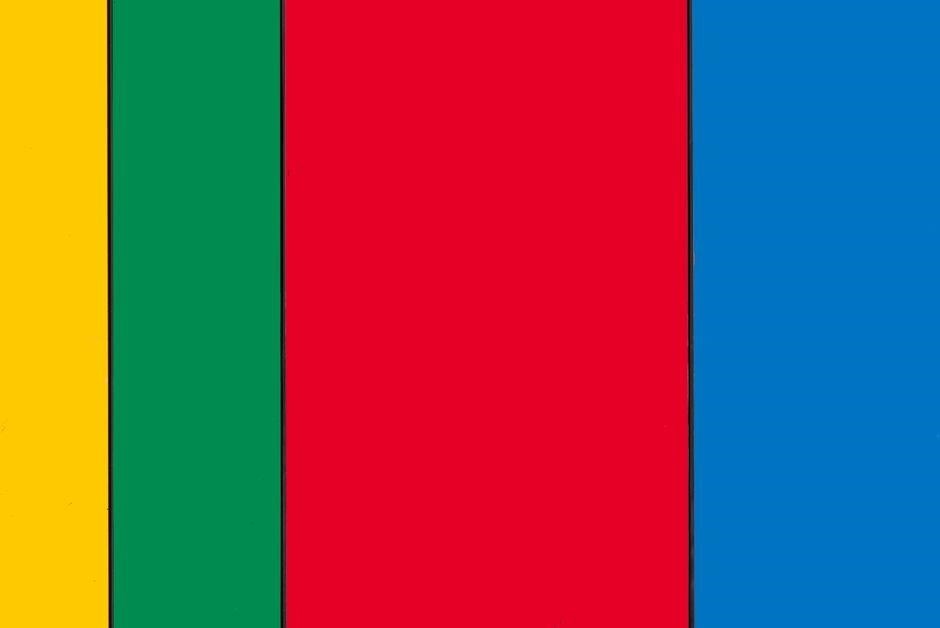
True Colors test PDF offers a quick, color‑coded personality assessment. It presents four color categories—Red, Blue, Yellow, Green—each linked to core traits. Users answer simple statements, scoring 1‑4 per item. Results reveal dominant color, guiding self‑awareness and teamwork. Ideal for educators and HR.!!
Historical Background and Development
The True Colors personality framework emerged in the early 1990s as a response to the growing demand for accessible assessment tools. Developed by Don Lowry, a student of David Keirsey, the model distilled complex temperament theory into four primary color categories—Red, Blue, Yellow, and Green—each representing distinct motivational drives. Lowry’s original research, conducted in the United States, combined Keirsey’s temperament typology with color psychology, creating a system that could be easily understood and remembered. The first published version appeared in the mid‑1990s, accompanied by a PDF test format that allowed educators, coaches, and HR professionals to distribute the assessment digitally. Over the past three decades, the PDF version has been refined through iterative feedback, incorporating clearer wording and standardized scoring rubrics. Licensing agreements with the True Colors organization have enabled the test to be translated into multiple languages, ensuring global applicability. Today, the PDF format remains the most widely used distribution method, offering instant access and the convenience of offline completion. The historical evolution of the True Colors PDF reflects a commitment to simplicity, visual appeal, and empirical rigor, positioning it as a staple in personality assessment literature.
Since its inception, the True Colors PDF has been updated to reflect new research on personality. The 2000 revision added a refined scoring algorithm, while the 2010 version incorporated cross‑cultural validation. In 2020, a PDF was released, allowing completion on tablets and smartphones. These changes show the test’s adaptability and relevance in schools, corporate training, and counseling. The PDF’s open‑source nature has also enabled researchers to validate its reliability across cultures, for use worldwide

Structure and Format of the Test
The True Colors PDF test contains 20 statements. Responders rate each from 1 (least like you) to 4 (most like you). Scores are tallied per color, revealing dominant personality. The format is printable, color‑coded, and easy to score manually. The PDF layout features bold headers and color boxes forquick insight.
Question Types and Scoring Methodology
The True Colors PDF test employs a Likert‑scale format, presenting 20 statements that reflect preferences and reactions. Respondents assign a value from 1 (least like you) to 4 (most like you) to each statement. This 1‑to‑4 scoring system captures variations in personality expression while remaining straightforward for calculation. After all items are rated, the scores for each of the four color categories—Red, Blue, Yellow, and Green—are summed separately. The highest total identifies the dominant color, indicating the primary personality type. In cases of a tie, secondary scores are considered to provide a nuanced profile. The PDF layout includes clear color boxes and numeric fields, allowing quick visual reference and immediate scoring. This methodology balances simplicity with depth, making the test accessible for educators, HR professionals, and individuals seeking self‑understanding.
Scoring is performed by adding the numeric values for each color. For instance, if a respondent rates 12 statements highly for Red, the Red score is 12×4=48. The same process applies to Blue, Yellow, and Green. The color with the highest total becomes the primary type. If two colors tie, the secondary score is used to break the tie. The PDF includes a scoring sheet with totals for quick reference. This method ensures reliability and ease of use across diverse settings.
The PDF format offers a scoring sheet, allowing educators to tally results and discuss personality insights with students in a setting group!!

Color Categories and Their Meanings
The PDF version provides printable score sheets and reference guides, enabling facilitators to conduct sessions in classrooms or corporate workshops. Aligning color insights with group dynamics helps participants identify strengths and friction points. This practical use boosts collaboration, morale, and skill development, making True Colors a versatile tool for growth and effectiveness and professionalpro.

Obtaining the PDF Version of the Test
Download the True Colors PDF from the publisher’s site, ensuring proper licensing. Educational institutions host free copies under academic use. Verify copyright notices before distribution and keep the file in a secure, accessible folder for future sessions.!
Official PDF Sources and Licensing
To obtain an authentic True Colors Personality Test PDF, users should consult the official publisher’s website or authorized distributors. The test is protected by copyright, and unrestricted downloads are prohibited. Licensed copies can be purchased for a nominal fee, typically ranging from $15 to $25, and are delivered as a secure PDF file. Academic institutions may request bulk licenses, often at discounted rates, to facilitate classroom use. When acquiring the PDF, verify the license agreement, ensuring it permits the intended use—personal assessment, group workshops, or corporate training. The publisher provides a digital rights management (DRM) notice within the PDF, indicating the permissible number of copies and distribution limits; For educators, the site offers a “teacher’s bundle” that includes printable worksheets and facilitator guides. In contrast, free PDF versions found on third‑party sites are usually unauthorized and may contain incomplete or altered content, jeopardizing assessment accuracy. Therefore, always source the True Colors PDF from the official channel, respecting intellectual property rights and maintaining the integrity of the assessment results. This approach guarantees compliance with legal standards and supports the continued development of the True Colors framework. By following these licensing guidelines, users preserve the integrity of the assessment tool and support the creators who continually refine the True Colors framework, ensuring its relevance and accuracy for future generations. It also encourages ethical use.
Free PDF Downloads from Educational Institutions

Many universities and colleges partner with the True Colors organization to offer students and faculty complimentary access to the official PDF assessment. These institutional licenses are typically distributed through the campus learning management system or the school’s psychology department. Students can log in with their institutional credentials to download a secure, non‑redistributable PDF that includes the full questionnaire, scoring instructions, and interpretation guide. Faculty members may also request a bulk license for classroom use, allowing them to administer the test during workshops or group projects. The free distribution is bound by the publisher’s terms, prohibiting resale or public sharing beyond the enrolled community. Institutions often provide additional resources such as facilitator handouts, case studies, and suggested activities to help educators integrate the assessment into curriculum. By leveraging these academic channels, users obtain an authentic, up‑to‑date version of the test without incurring licensing fees, while ensuring compliance with copyright regulations and maintaining the integrity of the assessment data. Students and faculty can also share the PDF with peers in study groups, provided that the sharing complies with the license agreement; the test’s confidentiality is preserved by restricting the distribution to authorized individuals only, thereby upholding the ethical standards set by the publisher. This approach encourages responsible use and supports the continued development of the True Colors framework. Sharing responsibly aligns with inst. policies and boosts the learning!

Administering the Test Using PDF
PDF format allows easy printing and manual scoring. Distribute copies, provide answer sheets, and record responses on a spreadsheet. Ensure anonymity by assigning codes. After collection, use the scoring key to assign colors, discuss results in a group setting.

Preparing the Test Environment and Materials
Before administering the True Colors PDF test, set up a quiet, well‑lit room free from distractions. Use a large table or whiteboard to display the PDF on a screen or printouts. Provide each participant with a copy of the PDF, a pen, and a separate answer sheet. Label sheets with unique identifiers to maintain confidentiality. Arrange seating so that everyone can see the instructions clearly. Ensure adequate lighting to prevent eye strain, and keep a timer nearby to track the allotted time. Have a backup copy of the PDF on a USB drive or cloud storage in case of printer failure. Prepare a scoring sheet that matches the PDF’s answer key, and double‑check that all color categories are represented accurately. Finally, test the printing quality beforehand to confirm that text and color coding remain legible, and that the PDF layout is consistent across all copies
To ensure consistency, test the PDF on multiple printers and devices, noting any variations in color rendering or font size. Use a calibrated monitor for digital versions, and keep a reference color chart for printed copies. Record the date and time of each test session, and note any environmental factors such as ambient lighting or glare that could influence participant responses. After the test, review the data for completeness, verifying that each answer sheet contains all required entries. Store completed sheets securely, labeling them with the session code and anonymized participant IDs to facilitate later analysis
All materials should be stored in a secure location. Keep safe..
Collecting and Recording Responses
During the collection phase, it is essential to label each answer sheet with an identifier a timestamp. After collection, perform a spot check to ensure consistency across all sheets. To maintain data integrity, cross‑check a random subset of answer sheets against the master spreadsheet. Any discrepancies trigger a re‑entry or clarification request. Use a color‑coded system: red for errors, green for verified entries. Document each correction in a log file, noting the participant ID and the change made. All entries are timestamped for audit purposes.daily
Secure storage of the PDF and response sheets is critical. Store physical copies in a locked cabinet with access limited to authorized staff. Digitally, encrypt PDFs with AES‑256 and keep keys in a separate vault. Use role‑based access so only designated analysts can view or modify the data. Back up the encrypted archives to an off‑site location. Documents stored securely to meet privacy policy now
Compile a summary sheet listing each participant’s dominant and secondary colors, plus total score. Add a brief interpretation of the color mix, noting strengths and growth areas. Format the sheet as a clean table with color‑coded headers for quick reference. Distribute the password‑protected PDF to participants and stakeholders. All processes comply with GDPR and data protection laws.

Interpreting Results and Applying Insights
The true colors PDF reveals a dominant hue—Red, Blue, Yellow, or Green—indicating core traits. Interpret the score: high Red signals assertiveness, Blue denotes empathy, Yellow reflects optimism, Green shows stability. Use insights for personal growth, team roles, and communication strategies. and coaching.

Using True Colors in Personal Development and Team Building
When the true colors PDF is completed, the resulting color profile becomes a practical tool for growth. Individuals can map their dominant hue to specific strengths—assertiveness for Red, empathy for Blue, optimism for Yellow, and stability for Green. By recognizing these traits, a person can set targeted goals: a Red learner might pursue leadership training, while a Blue individual could focus on active listening workshops. In a team, the PDF allows managers to assemble balanced groups, ensuring that each color’s natural tendencies complement one another. For instance, pairing a Red strategist with a Green executor creates a cycle of planning and implementation. Regular color‑based check‑ins foster open dialogue, as members discuss how their hues influence decision‑making and conflict resolution. The PDF also serves as a baseline for coaching sessions, enabling mentors to tailor feedback that resonates with each color’s communication style. Over time, repeated use of the true colors PDF promotes self‑awareness, improves collaboration, and enhances overall productivity by aligning roles with innate preferences. By integrating color insights into daily routines, employees can anticipate potential friction points and adjust communication styles actively, leading to smoother project flows and higher morale. This proactive stance also encourages ongoing learning, as team members reflect on how their color preferences shape problem‑solving approaches and decision‑making processes!! This approach builds a culture of improvement daily and respect. Now