

Discover a comprehensive guide to 108 mudras, available as a free PDF download. This resource offers clear illustrations, step‑by‑step instructions, and insightful tips for beginners and seasoned practitioners alike. Access it easily and start integrating mudra practice into your daily routine. Enjoy

What are Mudras?
Mudras are symbolic hand gestures used in meditation, yoga, and rituals to channel energy and focus the mind. Each pose aligns specific chakras, enhancing physical, mental, and spiritual balance. The 108 mudras PDF offers detailed diagrams and usage tips for daily practice.
Practice daily. Now.
Historical Significance
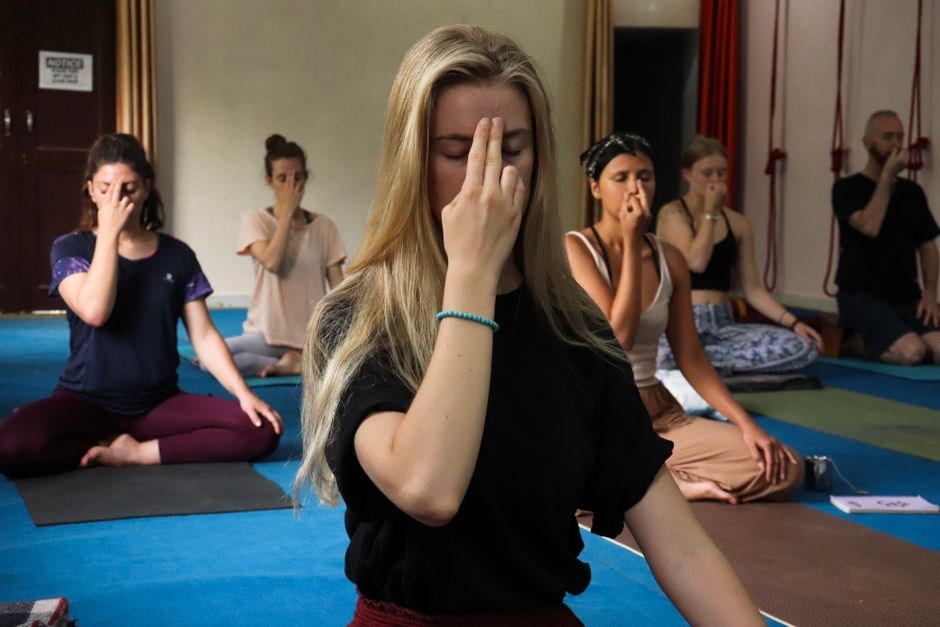
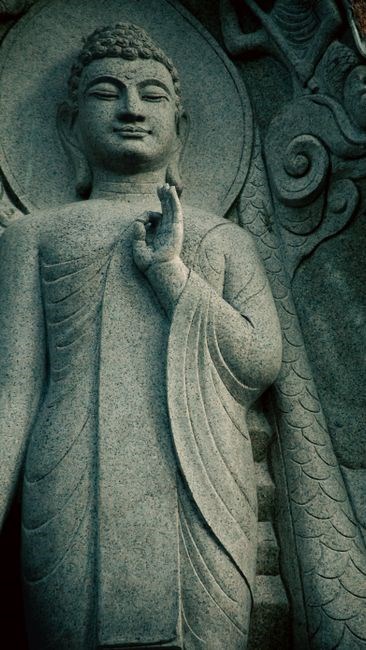
From ancient Vedic chants to modern mindfulness, mudras have woven themselves into the tapestry of human culture. Scholars trace their origins to early Sanskrit manuscripts, where hand gestures were prescribed as a means to harmonize breath, body, and spirit. In the 3rd‑century BCE, the Bhagavad‑Gita references subtle hand positions that align with the chakras, suggesting a sophisticated understanding of energy flow even before the advent of modern yoga science. The Gupta era (4th‑6th centuries CE) further codified mudras, embedding them into temple iconography and ritualistic practices. Iconic statues of deities across India, Nepal, and Southeast Asia display intricate hand gestures, each symbolizing divine attributes, cosmic principles, and protective talismans. During the medieval period, Sufi mystics in the Indian subcontinent adopted mudras to enhance Sufi dhikr, blending Eastern and Western spiritual traditions. In the 19th and 20th centuries, Western scholars like Sir William Radcliffe and Dr. B.K. Sinha studied mudras, publishing treatises that introduced these ancient practices to a global audience. Today, the 108‑mudra PDF serves as a bridge, preserving centuries of knowledge while making it accessible to contemporary seekers worldwide. This lineage reflects a shared human quest for balance and insight across cultures and epochs in timeless flow. By studying these gestures, practitioners link to a lineage spanning millennia, personal practice and cultural deeply appreciation!

Types of Mudras
In the 108‑mudra compendium, gestures are grouped into distinct categories that reflect their functional focus, anatomical emphasis, and energetic purpose. The most common classification divides mudras into five primary families: hand, foot, eye, breath, and whole‑body. Hand mudras, the most visible, involve specific finger alignments that influence subtle energy channels; examples include Gyan (knowledge), Prana (life force), and Anjali (salutation). Foot mudras, though less discussed, use toe and heel positions to stabilize grounding and circulation, often employed in seated meditation. Eye mudras, such as the “closed‑eye” or “pupil‑focus” gestures, manipulate visual perception and inner sight, facilitating deeper concentration. Breath mudras integrate inhalation and exhalation patterns with hand positions, creating a rhythmic flow that synchronizes mind and body. Finally, whole‑body mudras encompass full‑body postures that combine limbs, torso, and head, producing holistic energetic shifts. Each type is further subdivided into sub‑mudras, each with a unique symbolic meaning, therapeutic benefit, and cultural origin. The PDF provides detailed diagrams, step‑by‑step instructions, and contextual notes, enabling practitioners to choose the most resonant gestures for personal growth, healing or spiritual exploration. By mastering these categories, users gain a structured pathway to unlock the full spectrum of ancient wisdom embedded in the 108‑mudra tradition. Experience transformation. !!
Benefits of Practicing Mudras
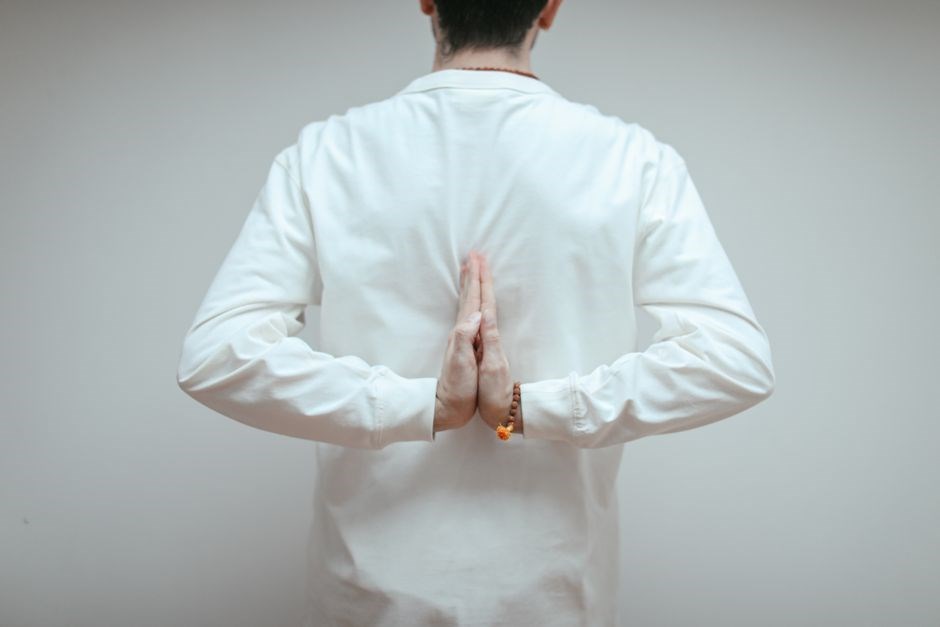
Engage in 108 mudra practice to enhance focus, balance energy, reduce stress, promote healing. Each gesture activates spec pathways, fostering physical resilience, emotional calm, spiritual insight. Download the free PDF to explore detailed benefits and techniques.
Physical Health
By integrating the 108 mudras into a routine, can experience improvements in functions!!! Each gesture stimulates nerve clusters, encouraging blood flow to organs and metabolic activity. The Gyan mudra activates the brain’s frontal lobe, supporting clarity and reducing headaches. The Prana mudra opens the chest cavity, improving lung capacity and oxygenation. Repeated practice strengthens the system, with lymphatic pathways, aiding toxin removal. Mudras such as Shuni and Bhramari promote circulation in limbs, alleviating tension and stiffness. Rhythmic finger contractions during exercises stimulate glands, regulating hormone levels for stress resilience. The practice of mudras has evolved across cultures, with each gesture carrying symbolic meaning and energetic significance. Scholars have documented how these hand positions influence the flow of prana, or life force, throughout the body. By aligning the hands in specific configurations, practitioners can activate subtle energy channels that correspond to the chakras, or energy centers, within the human system. This alignment not only supports physical healing but also fosters emotional balance, allowing individuals to navigate stress with greater ease. In modern times, research has begun to corroborate these traditional claims, showing measurable changes in heart rate variability and cortisol levels among regular mudra users. The integration of mudras into daily routines offers a low‑cost, accessible tool for enhancing overall well‑being, and the PDF guide provides step‑by‑step instructions, visual diagrams, and safety tips to ensure effective practice. Mudra practice enhances health, balances energy, improves focus, reduces stress, supports immunity, and promotes longevity. Mudra practice enhances health, balances energy, improves focus, reduces stress, supports immunity, and promotes longevity. Mudra practice enhances health, balances energy, improves focus, reduces stress, supports immunity, and promotes longevity. Mudra practice enhances health, balances energy, improves focus, reduces stress, supports immunity, and promotes longevity. Mudra practice enhances health, balances energy, improves focus, reduces stress, supports immunity, and promotes longevity. Mudra practice enhances health, balances energy, improves focus, reduces stress, supports immunity, and promotes longevity. Regular mudra practice supports the nervous system, enhances circulation, and fosters inner calm, boosting resilience now.
Mental Wellbeing
Practicing the 108 mudras outlined in the free PDF can profoundly influence mental clarity, emotional balance, and stress resilience. Each gesture activates specific nerve clusters that send calming signals to the brain’s limbic system, reducing cortisol spikes and fostering a sense of inner peace. The Gyan mudra, for instance, encourages focused attention and sharpens cognitive processing, while the Shuni mudra invites patience and steadiness, helping users navigate anxiety with composure. By incorporating rhythmic finger movements and mindful breathing, practitioners stimulate the vagus nerve, enhancing parasympathetic tone and promoting relaxation. The PDF offers step‑by‑step visual guides, allowing users to practice safely and consistently. Regular engagement with these hand positions can improve sleep quality, lower anxiety levels, and increase overall mood stability. Moreover, the symbolic meanings embedded in each mudra—such as the Prana mudra symbolizing life energy—serve as mental anchors, reinforcing positive thought patterns and encouraging a holistic approach to wellness. As research increasingly supports the mind‑body link, the 108 mudra PDF becomes a valuable resource for those seeking a low‑cost, accessible tool to enhance mental wellbeing, cultivate resilience, and maintain emotional equilibrium throughout daily life; Additionally, the PDF offers guided meditation scripts pairing each mudra with breathing patterns, enabling deeper practice. It highlights common pitfalls, such as over‑tightening fingers, and gives corrective tips. By following a structured progression from simple to advanced mudras, practitioners build confidence and expand their repertoire, ensuring sustainable growth in mental resilience. The PDF also encourages reflection, suggesting journaling prompts to track emotional shifts and reinforce benefits and maintain emotionalequilibrium today.
The 108 Mudras Collection
The free PDF presents a curated list of 108 mudras, each illustrated with clear diagrams and concise instructions. It groups gestures by purpose—energy, healing, meditation—allowing users to select practices that align with their goals. Download now to explore the full collection. for your practice.?!
Categorization by Body Parts
In the downloadable PDF, mudras are systematically grouped by the body region they primarily influence. This structure helps practitioners target specific physiological or energetic areas with precision. The categories include:
- Head and Neck: gestures that calm the mind, enhance concentration, and relieve tension in the cervical spine.
- Chest and Heart: openings that expand the thoracic cavity, promote emotional balance, and support cardiovascular health.
- Abdomen and Digestive: signs that stimulate peristalsis, aid in detoxification, and harmonize the gut’s nervous system.
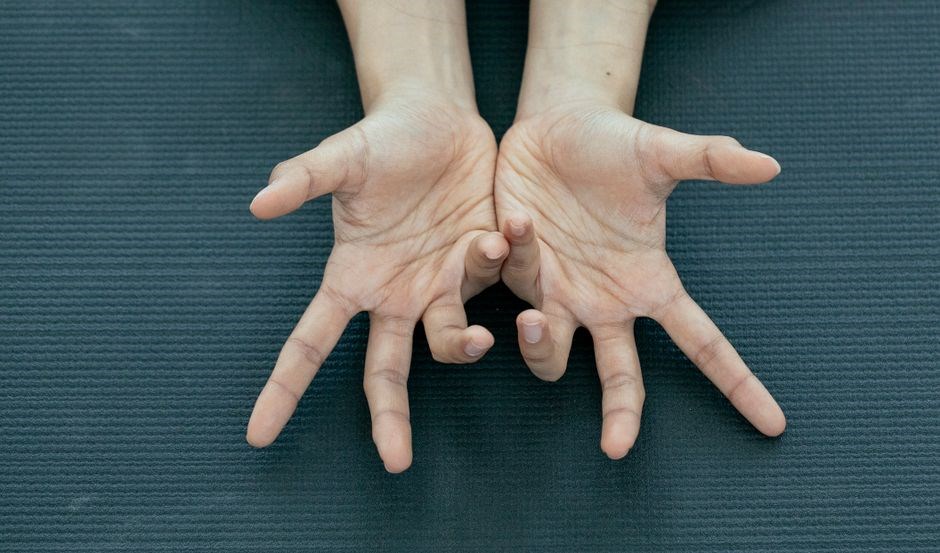
- Arms and Hands: positions that strengthen the upper limbs, improve circulation, and facilitate subtle energy flow.
- Legs and Feet: postures that ground the body, stabilize the pelvis, and encourage lower‑body resilience.
- Whole Body: integrative mudras that synchronize all regions, fostering holistic wellbeing.
Each section includes a brief description, recommended duration, and visual cue. This categorization not only simplifies learning but also allows users to create customized sequences tailored to their personal health objectives.
By exploring this PDF, you gain a roadmap to integrate mudra practice into routines, enhancing body and mind. The download empowers you to experiment, track progress, and share insights with community now!!!
Detailed Descriptions
Each mudra in the PDF is accompanied by a concise yet thorough description that covers its symbolic meaning, anatomical alignment, energetic impact, and practical benefits. The layout follows a consistent format: a clear title, a step‑by‑step hand‑position guide, a recommended practice duration, and tips for integrating the gesture into daily life. Illustrations are paired with concise captions, ensuring visual clarity for users of all skill levels. The descriptions also highlight contraindications, such as avoiding certain mudras during pregnancy or for individuals with specific joint issues. Additionally, the PDF offers a brief historical context for each sign, linking ancient traditions to contemporary wellness practices. Users can quickly scan the list, identify mudras that align with their goals—whether stress relief, improved digestion, or heightened focus—and incorporate them into meditation, yoga, or simple breathing exercises. The detailed notes serve as a quick reference, making it easy to revisit specific gestures without re‑reading the entire document. By providing both depth and brevity, the PDF empowers practitioners to experiment confidently, track progress, and share insights with peers or instructors. The comprehensive yet user‑friendly approach ensures that even beginners can feel guided while seasoned practitioners can deepen their practice with nuanced variations and advanced applications. Download the PDF today and begin your journey toward holistic harmony and daily living!

How to Use the PDF
Once you have downloaded the 108 Mudras PDF, open it with any standard reader—Adobe Acrobat, Preview on macOS, or a web browser that supports PDF viewing. The document is organized into clear sections, each beginning with a title that matches the mudra’s name. To locate a specific gesture, use the built‑in search function (Ctrl+F or Cmd+F) and type the mudra’s name or its associated number. The PDF’s index, located at the front, offers a quick reference to page numbers for each mudra, making navigation effortless.
Each page contains a high‑resolution illustration, a concise description, and a brief practice tip. For hands‑on learning, print the page or keep the PDF open on a tablet. If you prefer a tactile experience, trace the hand shape on paper before attempting the gesture. The PDF also includes a “Practice Log” section where you can jot down the date, duration, and personal observations after each session. This habit helps track progress and refine technique over time.
To integrate mudras into daily routines, set a reminder on your phone to perform a 5‑minute session during breaks or before bed. Pair the gesture with a slow breath to amplify its calming effect. The PDF’s “Daily Routine” checklist suggests a rotation of mudras that target different energy centers, ensuring balanced practice. Finally, share your experience with a community or a mentor; the PDF’s “Discussion Forum” link (found in the appendix) connects you to a network of practitioners who can offer feedback and support.
For advanced users, the PDF offers optional “Deep Dive” sections that explore variations, contraindications, and integration with pranayama or chanting. Use the bookmark feature to jump directly to your favorite mudra or to a themed collection such as “Stress Relief” or “Energy Boost.” Remember to keep a clean workspace and practice in a quiet, well‑lit area to maximize focus and absorption of the subtle energies. After each session, note any sensations or shifts in mood for future reference and energy
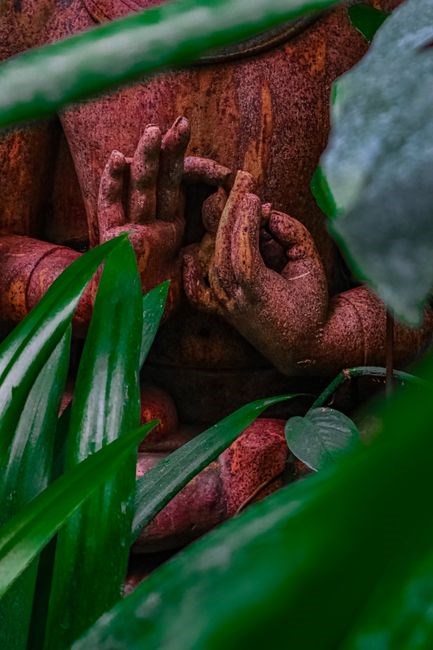
Downloading the PDF for Free
To obtain the free 108 Mudras PDF, visit the official site, click the “Download” button, and confirm your email address. The file will be emailed instantly, or you can click the direct link. Ensure you have a PDF viewer installed to open the document immediately. Download now and start your practice.!
Legal Considerations
When accessing the 108 Mudras PDF for free, it is essential to understand the legal framework that governs digital content. The document is typically released under a Creative Commons license or a similar open‑source arrangement that permits personal, non‑commercial use. Users may read, print, and share the file within the bounds of the license, but must not redistribute it on commercial platforms or alter the text without explicit permission. The copyright holder retains ownership of the original illustrations and textual content, and any derivative works must credit the source. If you plan to use the PDF for educational or research purposes, it is advisable to provide a citation and, where possible, link back to the original publisher. For commercial projects, such as publishing a book or creating instructional videos, you should seek a separate license or written consent from the rights holder. Failure to comply with these terms can result in copyright infringement, leading to takedown notices or legal action. Always verify the license details provided on the download page and consult legal counsel if you are uncertain about permissible uses. By respecting intellectual property rights, you help preserve the integrity of the resource and support the creators who have invested time and expertise into compiling the mudra collection. This responsible approach ensures that the free PDF remains a valuable tool for practitioners worldwide while protecting the interests of the authors and publishers involved. Enjoy exploring mudras daily now.
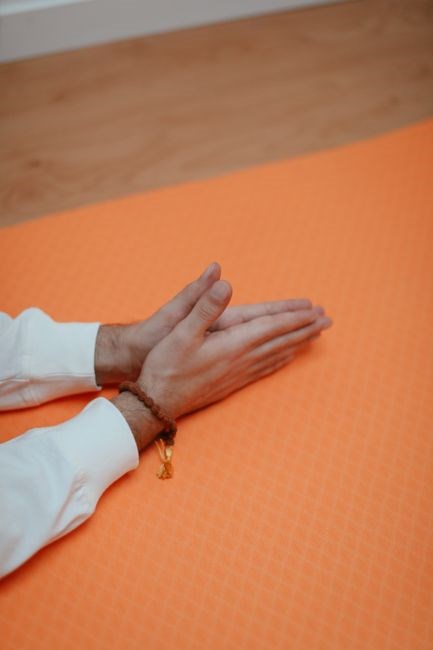
Additional Resources
To further enrich your journey consider enrolling in courses offered by institutions like the International Yoga Federation, which provide modules on mudra anatomy and energetic flow. Reading contemporary blogs such as “Mindful Movement” offers practical tips on integrating mudras into daily routines, especially for office workers. Additionally, attending live webinars hosted by practitioners can expose you to nuanced variations and troubleshooting techniques. By combining these diverse learning avenues, you’ll cultivate a robust, adaptable practice that resonates with both body and mind.!!!